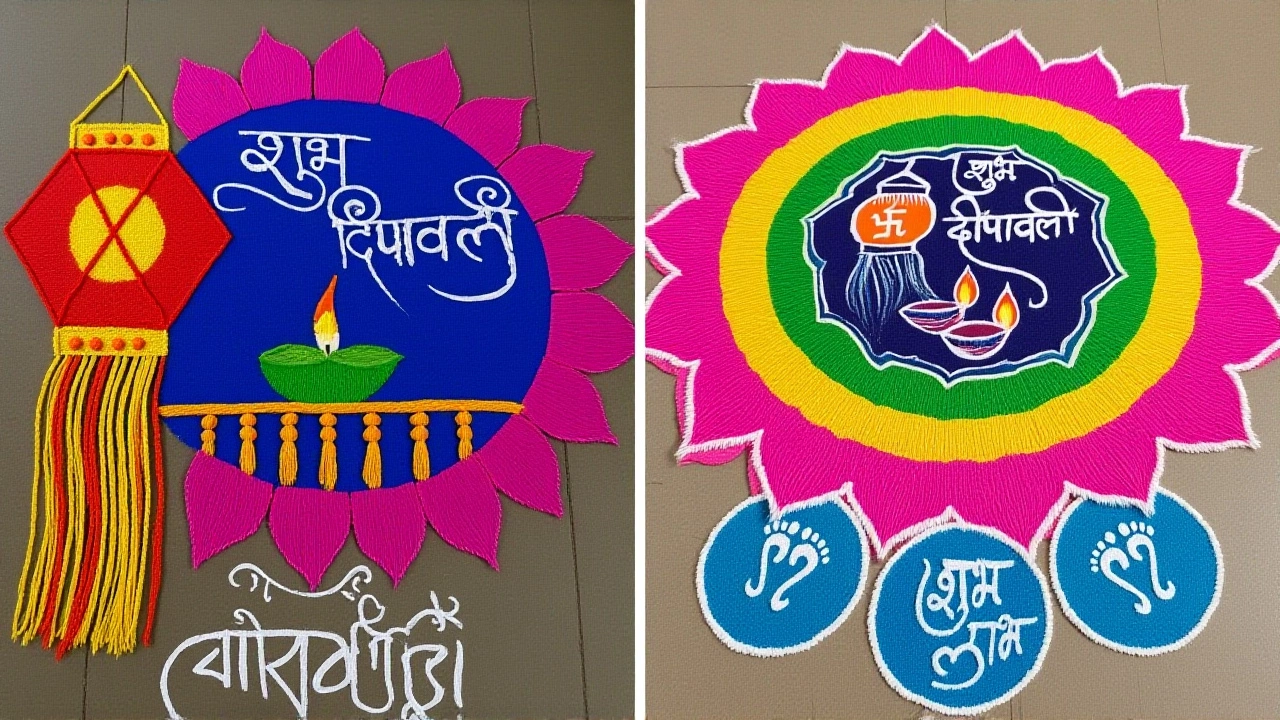
Diwali 2025 sparks fresh rangoli trends, from five design categories and eco‑friendly kits to AI‑generated patterns, guiding families worldwide.
When you think of Diwali, Diwali, a major Hindu festival celebrated across India and by Hindus worldwide. Also known as Deepavali, it's a time when homes glow with diyas, streets buzz with fireworks, and families gather for feasts and prayers. This five-day celebration symbolizes the victory of light over darkness and good over evil, rooted in ancient myths like Lord Rama's return to Ayodhya. Diwali isn't just about fireworks and sweets—it’s a cultural cornerstone that brings communities together. From the colorful Rangoli, intricate patterns made with colored powders or flowers designs outside homes to the heartfelt prayers to Goddess Lakshmi, Hindu deity of wealth and prosperity, each tradition carries deep meaning. Even non-Hindus join in the fun, making it a national celebration that transcends religion.
Diwali’s traditions vary wildly across India. In Uttar Pradesh, Ayodhya hosts grand processions reenacting Lord Rama’s return after defeating Ravana. West Bengal celebrates Kali Puja during Diwali, with devotees offering prayers to the fierce goddess. Tamil Nadu marks the festival with oil baths before dawn and diyas to honor Lord Krishna’s victory over Narakasura. Gujarat sees Diwali as the start of the new year, with businesses closing old account books and opening new ones. Even Sikhs in Punjab observe Bandi Chhor Divas, celebrating Guru Hargobind’s release from prison. Nepal’s Tihar festival shares similar roots, with rituals for crows and cows. Each region adds its own flavor, but the core message of light triumphing over darkness stays the same.
Today, Diwali is evolving with the times. Eco-conscious celebrations are gaining traction. In 2023, several Indian states banned firecrackers due to pollution concerns. Cities like Pune and Bengaluru saw residents using noiseless and smokeless fireworks. Social media campaigns like #GreenDiwali push for sustainable practices—tree-planting drives and community clean-ups are now common. Schools and NGOs organize events to teach kids about reducing waste. Even businesses adapt: e-commerce platforms report record sales, while brands launch eco-friendly Diwali collections. This blend of tradition and modernity keeps Diwali relevant for new generations while protecting the environment.
Diwali isn’t just cultural—it’s a major economic driver. According to the Confederation of Indian Industry, retail sales during Diwali season exceed $20 billion annually. Gold purchases peak, with families buying jewelry as a symbol of prosperity. Electronics and home appliances see huge demand, and street vendors selling sweets and crafts thrive. Small businesses rely on this festive rush, and even rural markets buzz with activity. It’s a time when communities come together, but also when the country’s economy gets a significant boost.
At its heart, Diwali is about family and togetherness. People travel long distances to share meals, exchange gifts, and perform puja together. Homes are decorated with lights and rangoli, and traditional sweets like laddoos and jalebis fill the air. Urban areas host Diwali mela (fairs), showcasing local talent and culture. These moments create memories that last a lifetime, strengthening bonds across generations. Whether in a village or a city, Diwali reminds us that light, hope, and community matter most.
Below, you’ll find the latest news stories about Diwali celebrations across India. From grand events in Mumbai to personal stories of how families are embracing this year’s festival, these articles bring you real-time updates and insights into how India’s most vibrant celebration is observed today.
Diwali 2025 sparks fresh rangoli trends, from five design categories and eco‑friendly kits to AI‑generated patterns, guiding families worldwide.